
 PlumbingLeaks, toilets & taps
 Walls & ceilingsPatches & preparation
 Doors & windowsDrafts, seals & sticking
 Heating & coolingFilters & airflow
 Kitchen & bathroomFixtures & appliances
 Floors & surfacesCare & protection
 Outdoor maintenanceDrainage & weather
 Home safetyAlarms & prevention
 Tools & DIY basicsMeasure, choose & prepare
 Seasonal maintenanceA routine that works
All repair guides
A ceiling water stain: what to check first
Find and stop the source of moisture before painting a stained ceiling.

A loose or cracked floor tile: inspect before repair
A surface defect may reflect movement or moisture below the tile.
A monthly home maintenance checklist you can keep up
Use a short routine to notice changes, then follow each product’s actual maintenance requirements.
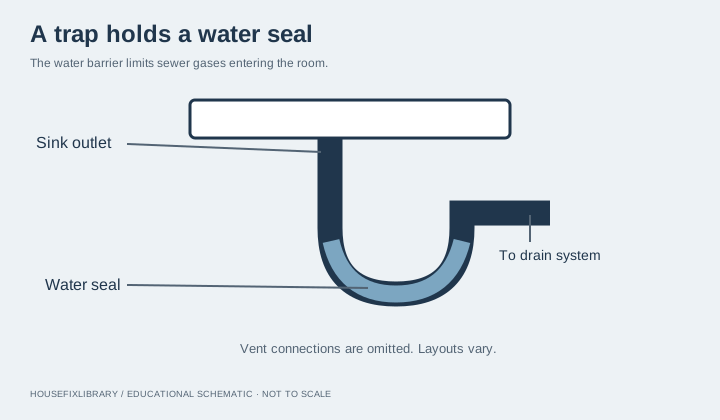
A slow sink drain: safe checks before dismantling
Check the accessible stopper and notice whether the problem affects other fixtures.
A sticking door: inspect before sanding
Find the contact point and look for moisture or movement before changing the door.
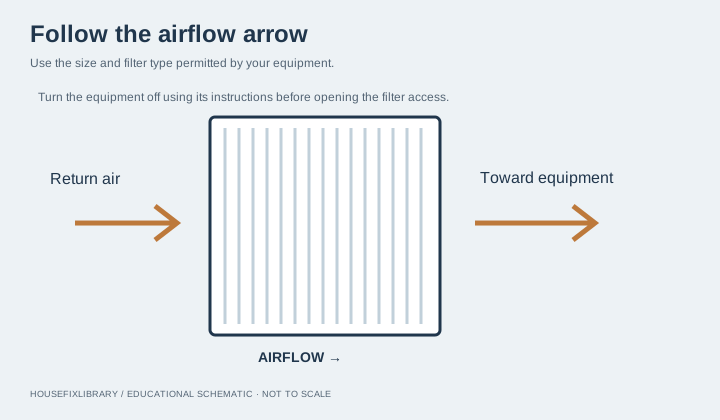
Air conditioner running but not cooling: first checks
Check controls, accessible filters and obvious obstructions; leave refrigerant and electrical work to a technician.
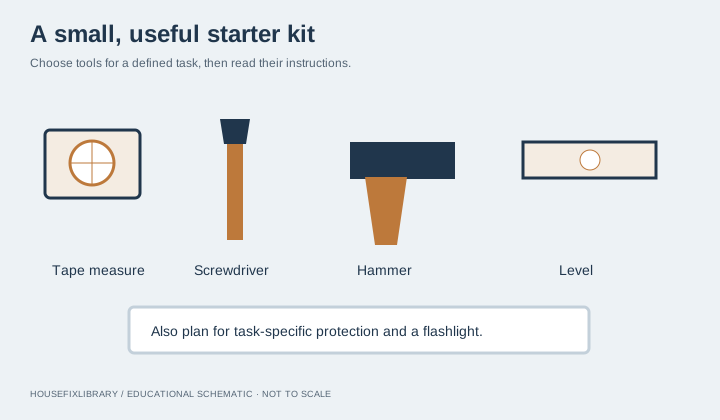
Build a small tool kit around real repairs
Start with measuring, lighting and basic hand tools, then add only what the job requires.
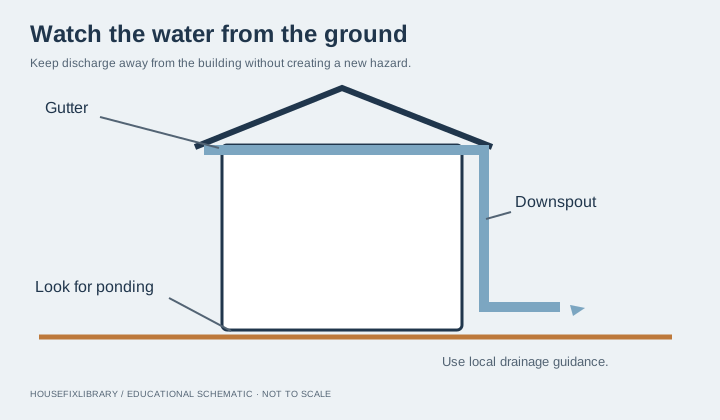
Check a deck for visible maintenance concerns
Separate routine surface care from signs that require a structural professional.
Check lead and asbestos risks before disturbing old materials
A small repair can create hazardous dust if the surface or backing contains regulated materials.
Check weak airflow at a room register
Compare rooms and clear ordinary obstructions before assuming a duct fault.
Check where downspout water goes
Follow runoff away from the building without sending it into another hazard.
Check whether bathroom ventilation is helping
Look for persistent moisture and confirm the fan’s intended exhaust route.
Check window seals without trapping water
Distinguish movable weather seals from stationary joints and drainage openings.
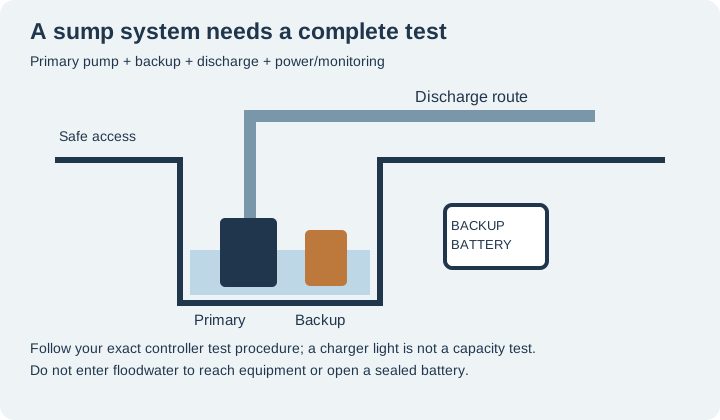
Check your sump pump and backup without entering floodwater
Create a model-specific test record before heavy rain. The primary pump, backup pump, battery and discharge route must work together.
Choose a drill bit and prepare safely
Match the bit, tool and material before considering the hole itself.
Choose a sound repair for a 3–6 inch drywall hole
Choose the patch method before buying compound. This guide covers a small, dry, non-rated interior wall, not a wet ceiling or fire-resistance repair.

Choose a wall anchor for the actual load
Match the wall, fixing and load direction; a package rating is not a universal guarantee.
Clean a removable dishwasher filter
Follow the model’s filter-removal and locking instructions before the next cycle.

Clean a showerhead without damaging its finish
Use the maker’s cleaning method when mineral buildup distorts the spray.
Clean a wood floor without excess moisture
Match the cleaner to the finish and remove abrasive grit before damp cleaning.
Clean accessible window tracks and drainage openings
Remove loose debris without blocking the window’s designed drainage route.
Clean and inspect a refrigerator door gasket
Remove residue and check closure before blaming the cooling system.
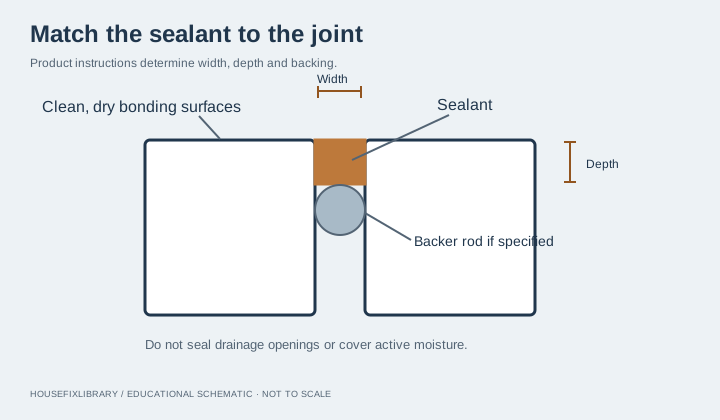
Clean tile grout without attacking the surface
Begin with a tile-and-grout-compatible cleaner and gentle agitation.
Clean vinyl flooring and protect the surface
Check the product’s care instructions before choosing a mop, cleaner or protective mat.

CO alarms: maintenance and what an alarm means
A sounding carbon monoxide alarm requires fresh air and emergency help, not indoor troubleshooting.
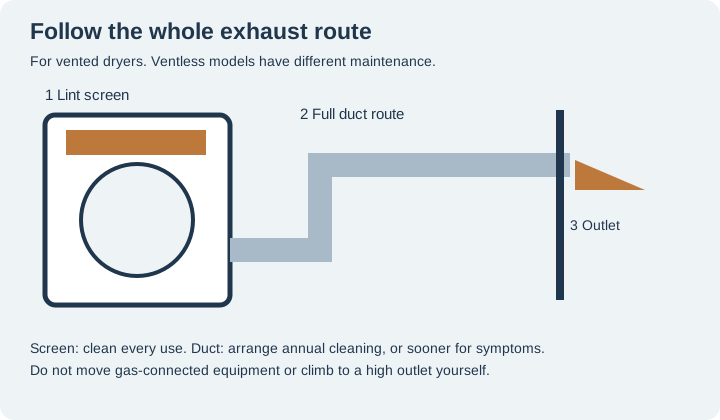
Dryer vent checks: airflow, lint and when to book cleaning
A clean lint screen is only one part of a clear exhaust route. Use these checks to plan service without disconnecting gas or opening the appliance.
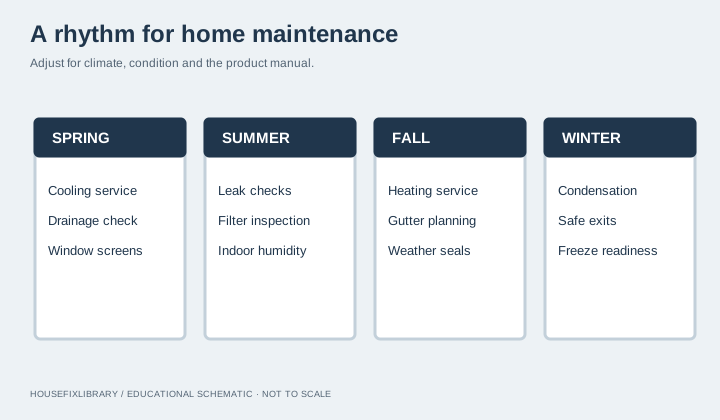
Fall home maintenance: prepare before the cold
Plan heating service, safe drainage maintenance and model-specific freeze preparation.
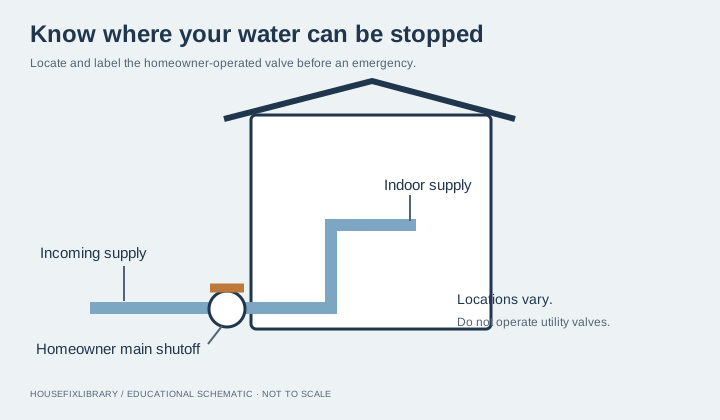
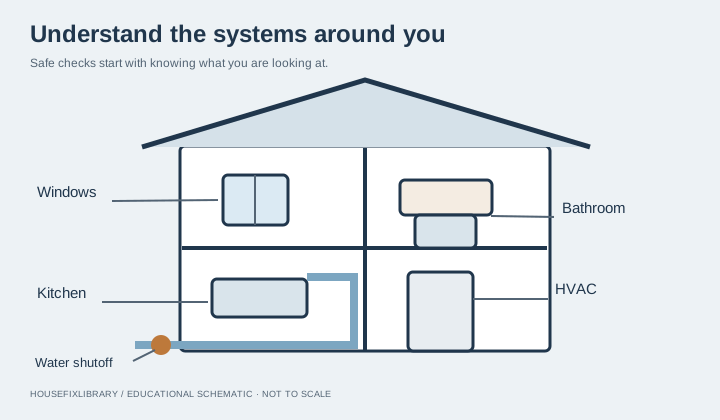
Find and label your home’s water shutoff
Know the accessible homeowner shutoff before a leak starts.
Found mold or persistent dampness? Start here
Address moisture and assess the scope before cleaning, painting or opening the surface.
How to clean a faucet aerator
An uneven stream at one faucet may come from debris in its aerator.
Inspect gutters safely from the ground
Look for overflow, sagging and discharge problems without climbing onto the roof.
Inspect peeling exterior paint before recoating
Find moisture, adhesion and material concerns before covering the damaged area.
Inspect washing machine supply hoses
Look for visible deterioration and know the shutoff before a hose fails.
Look after laminate flooring
Keep abrasive grit and standing water away, using the cleaning method approved for the product.
Make a practical home fire escape plan
Plan how each person will get outside and where you will meet.
Measure a room for paint or flooring
Separate dimensions, openings and material allowances so estimates are easy to check.
Patch small nail holes in drywall
Fill a small, dry surface hole with compatible spackle, then finish it to match the wall.
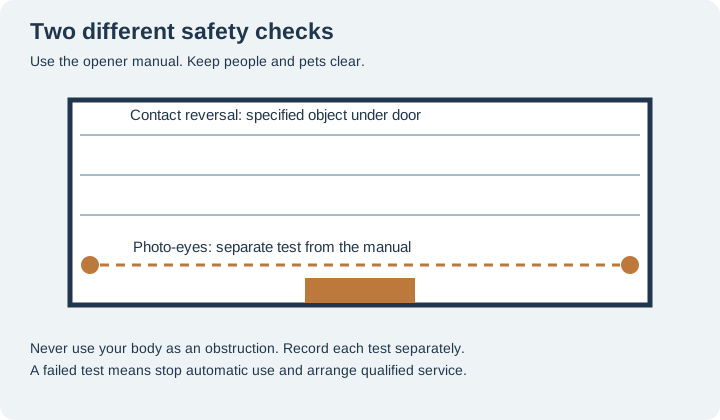
Plan and record a garage-door safety reversal test
Use the opener’s own contact-reversal and photo-eye tests. These are separate checks; neither is a complete inspection of the door and its hardware.
Prepare a sound painted wall for repainting
Paint lasts better on a clean, dry and stable surface with the right primer.
Prepare an outdoor faucet for freezing weather
Identify the faucet design and follow its winterizing instructions before temperatures fall.
Read a repair product label before you start
Check compatibility, preparation, application and curing as one system.
Replace an accessible HVAC air filter
Use the correct size, approved filter type and airflow direction for your system.
Replace failed caulk around a tub or shower
Renew a compatible sealant joint only after the surfaces and underlying area are sound and dry.
Replace worn door weatherstripping
Seal a moving door with the profile designed for it, while preserving easy operation.
Spackle or joint compound: choose the right repair
Match the product to a small surface defect or a taped drywall joint.
Spring home maintenance: inspect after winter
Review drainage, accessible seals and cooling readiness as local conditions change.
Summer home maintenance: airflow, water and moisture
Watch for changing cooling performance, leaks and persistent indoor humidity.
Test and maintain your smoke alarms
Use the test procedure and replacement guidance for each alarm in your home.
Thermostat not responding: safe first checks
Check settings and model guidance without opening wiring compartments.
Use your water meter to look for a hidden leak
A no-use meter check can reveal unexplained flow, but it cannot locate the leak.
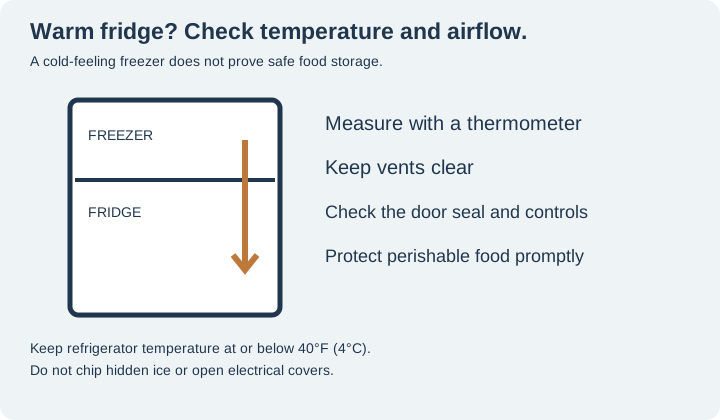
Warm refrigerator, cold freezer: safe checks before a service call
Check actual temperatures, airflow and door closure before blaming the compressor. Protect perishable food while troubleshooting.
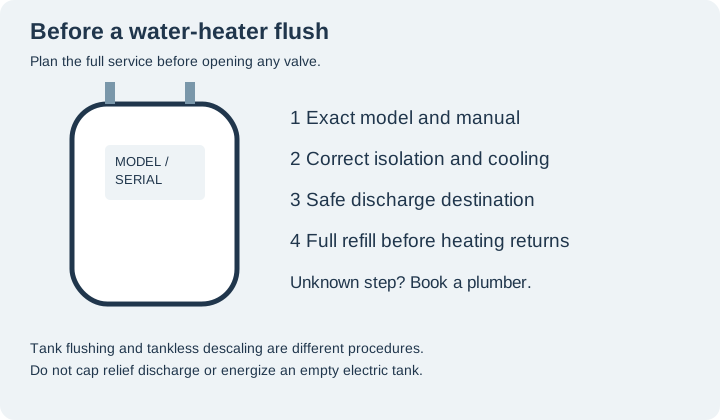
Water-heater flushing: prepare a safe service plan
Build a service plan from the heater’s model and history. A tank flush and tankless descaling are different jobs, and neither should start with guessed control settings.
When a wall crack needs more than filler
Record movement and associated symptoms before deciding that a crack is cosmetic.
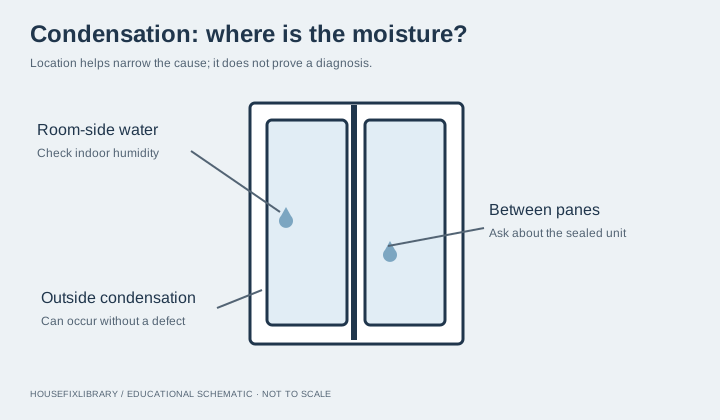
Why water forms on your windows
Locate the moisture before deciding whether the window needs repair.
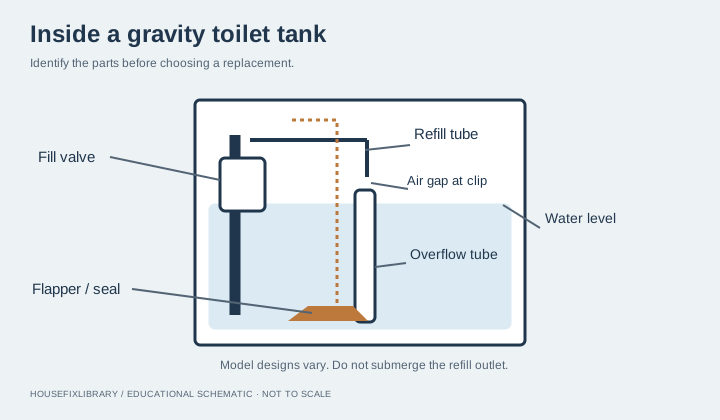
Why your toilet keeps running
Separate a leaking flush seal from water flowing into the overflow before buying parts.
Winter home maintenance: moisture and safe operation
Watch condensation, keep exits usable and follow safe heating and freeze-prevention guidance.