
Mold control begins with moisture control. Cleaning a patch without fixing the water source often leads to recurrence. The visible area also may not reveal damage hidden in a wall or under flooring.
In this guide
Tools and preparation
- Camera.
- Notes.
- Safe observation.
Avoid disturbing the affected material during the initial check.
Time is a planning estimate, not a timed field test. Material prices vary; check the correct parts and local prices before buying.
Steps and safe checks
1. Identify the water issue
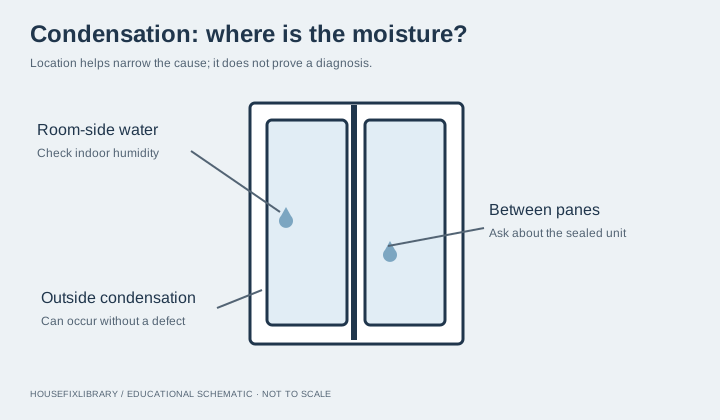
Look for an accessible leak, condensation or recent water event without opening suspect material. Stop a water source only when it can be done safely. Record when and where dampness appeared.
2. Assess the scope conservatively
EPA uses roughly 10 square feet, about 0.9 m², as one consideration for a small cleanup. That is not a universal DIY permission threshold: contamination, hidden damage and personal health factors can change the decision.
3. Protect the area from further disturbance
Avoid sanding, dry brushing or painting over the patch. Do not aim fans at visible mold or spread debris through the home. Keep people away from material that is damaged or unstable.
4. Choose suitable cleanup help
For a genuinely small, uncomplicated area, follow EPA’s complete cleanup and protective-equipment guidance. Otherwise use an experienced remediation professional. Porous damaged materials may need removal rather than surface cleaning.
Check the result
Completion requires the moisture source to be corrected, affected materials appropriately treated and the area reassessed. A stain disappearing does not prove hidden moisture has been resolved.
Common mistakes
Avoid mixing bleach with other cleaners, covering mold with paint or relying on a household test kit to define every repair decision.
When to call a professional
Seek qualified help for extensive or recurring growth, concealed damage, HVAC involvement, contaminated water or significant health concerns.
What can happen if you postpone it?
Cleaning visible mold without resolving moisture can lead to regrowth. Hidden growth or contaminated water can require a different response from a small surface patch.
Prevent a repeat
Repair leaks promptly, dry wet materials as soon as safely possible and manage ventilation and indoor humidity. Inspect the repaired area again after the conditions that caused the problem.
Sources and scope
Source check: November 4, 2026. AI-assisted educational writing checked against the linked documentation; no firsthand testing or licensed professional review is claimed. Manufacturer instructions and applicable local requirements take priority.